April 15, 2026
Could You Spot the Signs of Oral Cancer?
Nearly 60,000 Americans Are Diagnosed Each Year. Could You Spot the Signs of Oral Cancer?

Nearly 60,000 Americans Are Diagnosed Each Year. Could You Spot the Signs of Oral Cancer?
Every year, nearly 60,000 Americans are diagnosed with oral cancer. What makes this especially concerning is that many cases are caught late—when treatment becomes more complex.
The good news? Early detection can save lives.
Understanding what to look for—and taking a few minutes to check yourself—can make all the difference.
Oral cancer doesn’t always come with obvious warning signs, which is why awareness is so important. However, there are several symptoms you should never ignore:
You may also notice red or white patches or difficulty swallowing or speaking.
If something feels off and doesn’t improve within two weeks, it’s worth getting checked.
While a professional screening is essential, you can take a proactive role in your health with simple at-home checks.
Here’s how:
This quick routine only takes a few minutes and can help you catch changes early.
Even with consistent self-checks, some signs of oral cancer can be easy to miss.
That’s where your dentist comes in.
A professional oral cancer screening is:
Dentists are trained to identify subtle changes that may not be visible or noticeable to you. That’s why annual screenings are strongly recommended.
If you’ve never had one before, you might be wondering what to expect.
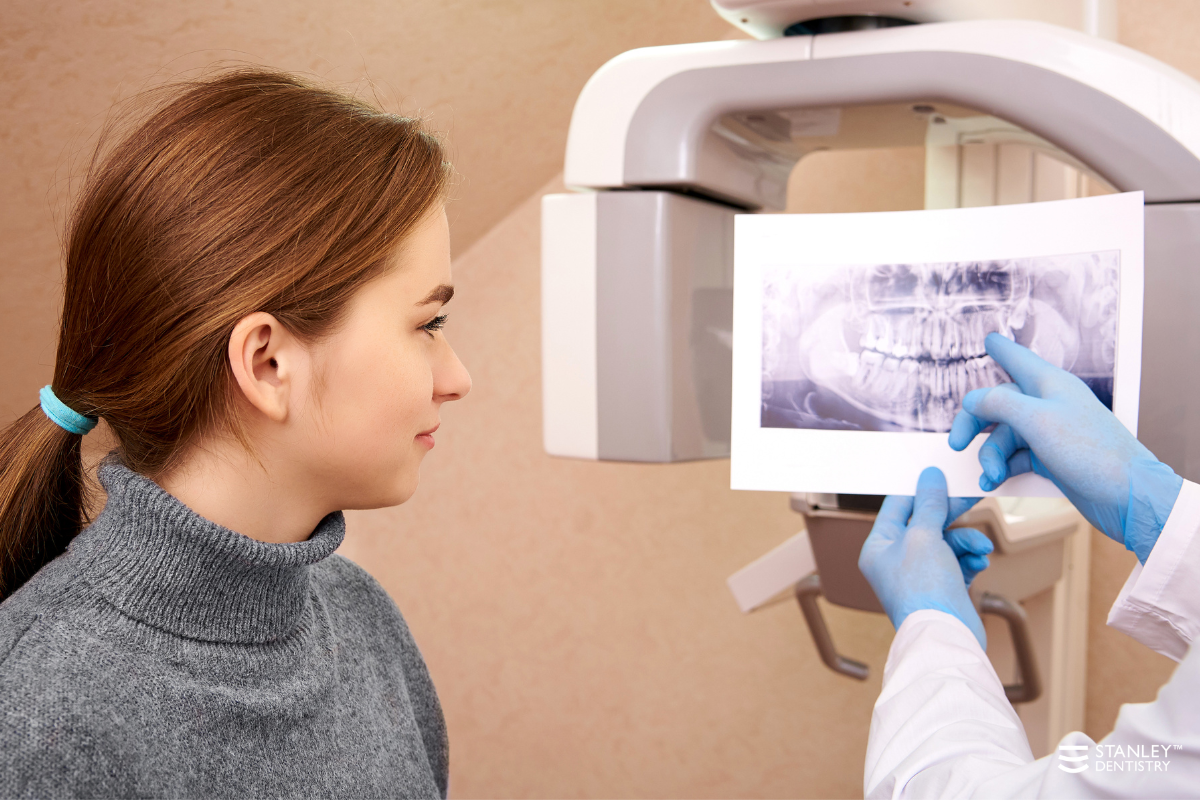
During a screening, your dentist will:
The entire process typically takes just a few minutes—but it could make a life-saving difference.
You should consider scheduling a screening if:
Even if you feel fine, routine screenings are a critical part of preventive care.
Absolutely.
Many oral cancer cases are first identified during routine dental visits. What may seem minor to you could be something your dentist recognizes right away.
That’s why staying consistent with your appointments is so important—not just for your smile, but for your overall health.
Your health goes beyond just your smile.
If you have concerns—or if it’s time for your annual screening—don’t wait.
A quick, simple check could make all the difference.