August 4, 2026
Why Is My Child Snoring? What Parents Should Know
Is your child's snoring normal or a sign of something more? Learn the causes, dental connections, and when to seek help. Family dentistry in Cary, NC.

Is your child's snoring normal or a sign of something more? Learn the causes, dental connections, and when to seek help. Family dentistry in Cary, NC.
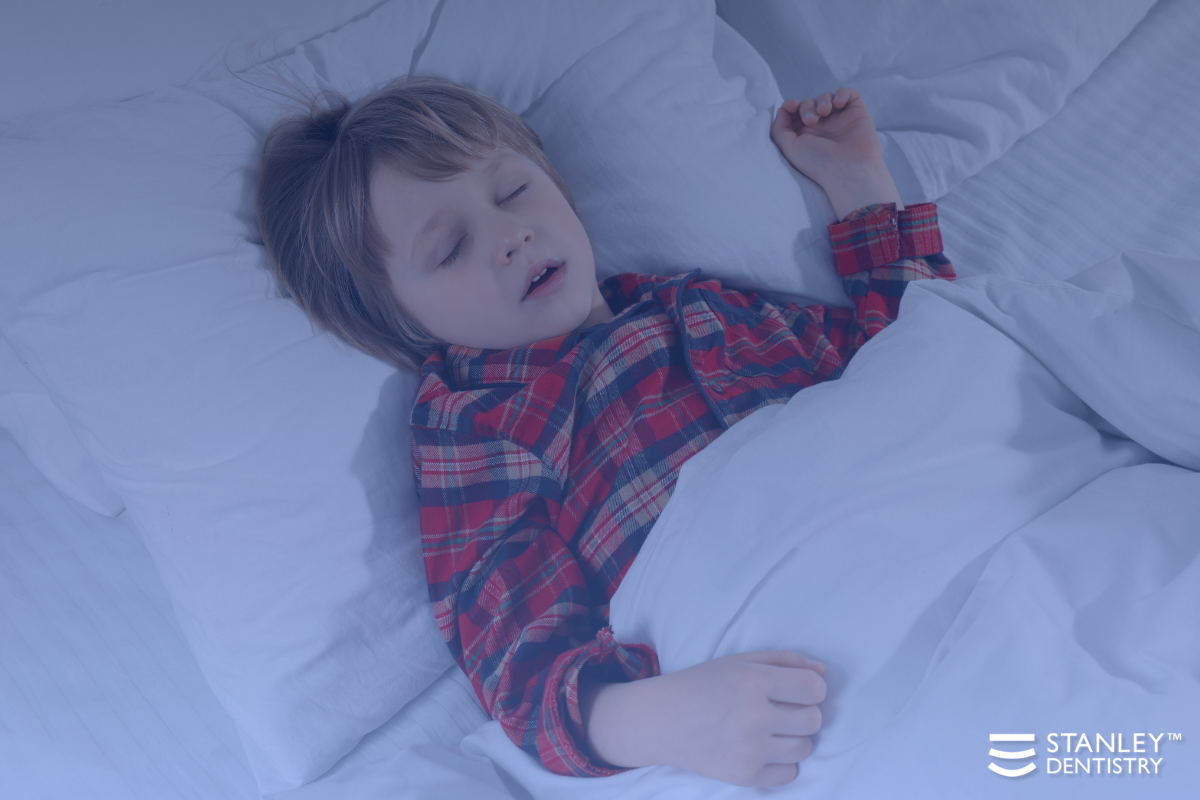
A little snoring during a stuffy-nose night is nothing to worry about. But if your child snores regularly — most nights, every week — it's worth paying closer attention. Regular snoring in kids is more common than many parents realize, and it's not something children simply 'grow out of' without understanding the cause.
Enlarged tonsils or adenoids are among the most frequent culprits, since they can partially block the airway during sleep. Seasonal allergies and chronic congestion play a role too. Less commonly discussed, but increasingly recognized, is the connection between jaw and airway development — a narrow palate or underdeveloped jaw can make it harder for a child to breathe easily through the nose during sleep.
Loud, regular snoring accompanied by pauses in breathing, gasping, restless sleep, mouth breathing during the day, or daytime crankiness and trouble concentrating can be signs of pediatric sleep apnea. This is a legitimate medical concern that affects growth, behavior, and school performance when left unaddressed — not just a sleep quality issue.
This is where dentistry plays a bigger role than most parents expect. Jaw and palate development directly affects airway space. During a child's dental visits, we're looking not just at cavities but at how the teeth, jaw, and bite are developing — because a narrow dental arch can be an early, correctable indicator of future airway issues.
If your child snores regularly, mention it at their next dental visit. We can evaluate jaw and palate development as part of a routine exam. If we see signs that point toward airway involvement, we'll help coordinate next steps, which may include a referral to an ENT or sleep specialist for further evaluation.
Bring up snoring or sleep concerns at your child's next visit — it's a simple conversation that can catch developmental issues early. Schedule an appointment with Stanley Dentistry today.